


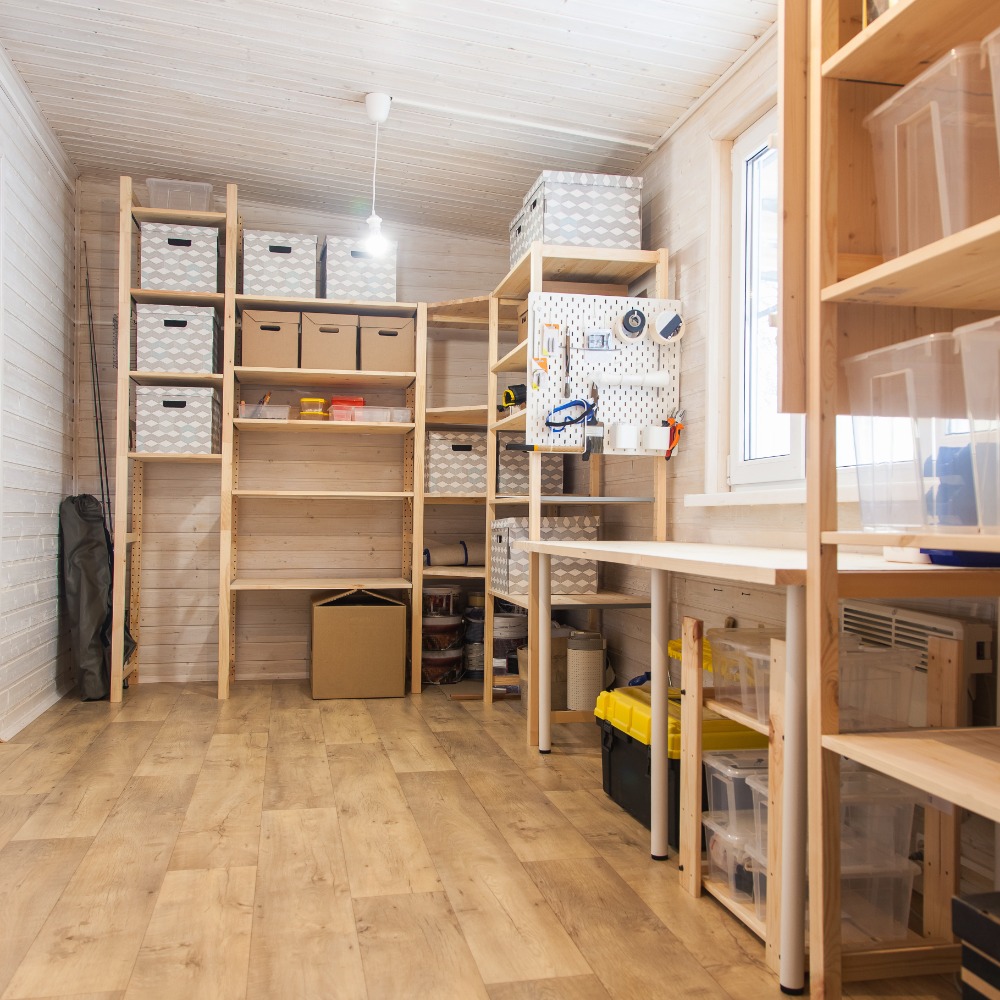
A utility room often becomes the place where everything without a clear home ends up. Laundry supplies share space with cleaning products, spare lightbulbs, pet accessories, and tools that are needed only occasionally. When these items accumulate without a plan, even a quick chore can turn into a search through crowded shelves. A more thoughtful arrangement can make this hardworking space easier to use without requiring a complete renovation.
The key to how to organize a utility room for everyday convenience is to design around the activities that actually happen there. Instead of buying containers first, consider what you reach for, how often you use it, and where each task begins and ends. A room that reflects those habits can stay orderly with much less effort.
Start With the Tasks the Room Needs to Support
Before moving anything, identify the room’s primary functions. Some utility rooms are dedicated to washing clothes, while others also contain a water heater, household cleaning supplies, recycling bins, or an entryway for muddy shoes. Those differences should guide the layout. A laundry-focused room may need a folding surface, whereas a multipurpose room might benefit more from distinct storage zones.
Remove items that belong elsewhere and check expiration dates on products before deciding what to keep. Group what remains by purpose so you can see how much space each category requires. This initial sorting prevents you from designing storage around things you no longer use and reveals which supplies deserve the most accessible locations.
Give Frequently Used Items the Easiest Access
Everyday products should be reachable without moving other objects. Keep detergent, stain remover, and dryer supplies close to the machines, preferably on a shelf that can be accessed comfortably. Store backup containers higher or farther away so they do not compete with products already in use. The same principle applies to cleaning tools: a broom used daily should not be trapped behind a stack of seasonal decorations.
Think about the natural sequence of a task. If clothes are sorted, washed, dried, and folded in the same room, place baskets and folding supplies along that path. Small adjustments to where objects live can eliminate repeated trips across the room and make chores feel less disruptive.
Make Vertical Space Work Harder
Floor space is usually the most limited part of a utility room, especially when appliances and plumbing occupy much of it. Open wall areas can hold shallow shelves, hooks, or adjustable organizers without narrowing the walking path. Hanging dustpans, brushes, and other lightweight tools also keeps them visible and reduces clutter around the machines.
Choose wall storage based on what will hang there and the conditions in the room. For example, knowing the PVC slatwall and pegboard storage differences can help inform answers about moisture resistance, cleaning, and how easily hooks can be rearranged. That comparison is one consideration within a larger storage plan, not a reason to cover every available wall. Leave enough clearance to reach outlets, shutoff valves, and equipment panels.
Use Containers to Simplify Small-Item Storage
Loose objects are often responsible for the most frustrating messes. Batteries, spare sponges, clothespins, and replacement filters can disappear behind larger packages unless they have defined locations. A few appropriately sized bins or drawers make these categories easier to manage. Transparent containers are useful when contents need to be identified at a glance, while labels help everyone return supplies to the correct place.
Avoid purchasing a matching set of bins before measuring shelves and counting what needs to fit. Oversized containers waste space and can encourage people to save unnecessary items. Select containers that slide out easily, and reserve the deepest ones for lightweight supplies that are not needed every day.
Protect Access to Appliances and Home Systems
An organized room must also be safe to maintain. Washing machines, dryers, electrical panels, water heaters, and plumbing connections may require inspection or repair. Storage should never block service clearances, ventilation openings, shutoff controls, or the path to an exit. Follow manufacturer guidance and applicable local requirements when deciding what can be placed near equipment.
Keep household chemicals in their original labeled containers and store them according to their instructions, away from children and pets. Do not crowd heat-producing appliances with combustible materials. If the room is damp, address the moisture source rather than relying on sealed bins to conceal the problem. These practical boundaries should shape the organization plan from the beginning.
Create a Practical Spot for Laundry and Cleaning
If space allows, add a small surface for folding clothes, treating stains, or setting down a basket. It does not have to be a permanent countertop; a compact wall-mounted surface may suit a narrow room when installed appropriately. Separate clean laundry from dirty items with clearly designated baskets, and keep a small receptacle nearby for lint and empty packaging.
Cleaning equipment also benefits from a dedicated station. Mount long-handled tools securely, keep reusable cloths together, and allow damp items to dry before storing them. When each part of a routine has a predictable place, it becomes easier to finish the task rather than leave supplies scattered for later.
Plan for Changes and Easy Maintenance
Household routines change over time. A room that once held only laundry products may eventually need space for sports gear, pet supplies, or additional cleaning equipment. Adjustable shelves and movable organizers provide flexibility without forcing a complete redesign. Keep some open capacity rather than filling every inch immediately; that breathing room helps prevent future overflow.
A simple maintenance habit matters as much as the initial setup. Spend a few minutes each week returning misplaced items, wiping accessible surfaces, and checking whether frequently used products are running low. Periodically review categories that tend to expand, such as spare cleaning supplies and miscellaneous hardware. Removing duplicates is often more effective than adding another shelf.
Keep Convenience at the Center
A useful utility room does not need to look like a showroom. It needs clear walking space, sensible storage, safe equipment access, and a layout that makes everyday work straightforward. The most successful changes are often modest: moving detergent closer to the washer, giving brooms a wall-mounted home, or creating a dedicated place for small replacement parts.
Thinking about organizing a utility room to make daily chores easier also means recognizing that convenience is personal. A setup that works for one household may not suit another. Build around the tasks you perform most, allow the arrangement to evolve, and focus on systems that are simple enough to maintain on a busy day.
Image Credentials: by Murziknata, #2058730809