


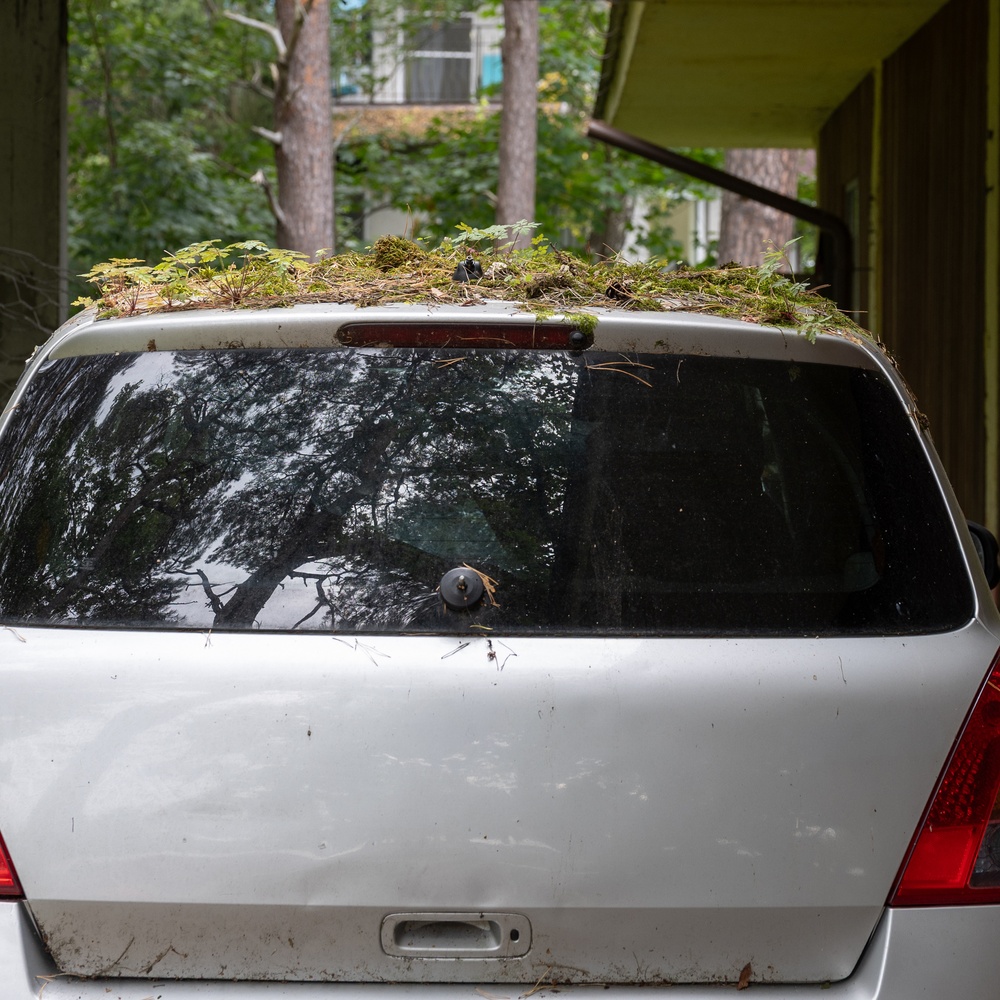
Bringing an abandoned or poorly maintained car back to life can be deeply satisfying. A dusty vehicle sitting in a garage may look like a straightforward project, especially when its body appears intact and the engine still turns over. Yet years of inactivity often create problems that a quick inspection cannot reveal. Understanding the hidden challenges of restoring a neglected vehicle helps owners set realistic expectations before they commit their time, money, and workspace to a demanding undertaking.
The True Condition Is Often Hard to See
A vehicle can look remarkably complete while hiding serious deterioration. Fresh paint or a recently cleaned interior may conceal corrosion, previous collision repairs, or water damage. Rust is particularly deceptive because visible bubbles can indicate much larger problems beneath trim, carpeting, or underbody coatings. Structural corrosion around suspension mounts, rocker panels, and frame sections deserves special attention because it can compromise safety.
Before buying replacement parts, inspect the vehicle from underneath and remove accessible panels where practical. Check for uneven body gaps, mismatched fasteners, damp insulation, and signs of poorly executed repairs. A professional inspection can be worthwhile when the vehicle has an uncertain history. Discovering major damage early allows owners to decide whether the project remains financially and mechanically sensible.
Mechanical Problems Multiply During Storage
A car that ran well before being parked may not be ready to start after several years. Old fuel can leave deposits in the tank, lines, and injectors or carburetor. Seals may dry out, rubber hoses can crack, and lubricants can degrade or become contaminated. Cooling systems may develop corrosion, while neglected brake components can seize or leak.
Trying to start the engine immediately can turn a manageable repair into a much more expensive failure. A careful revival begins with checking fluid levels and condition, inspecting belts and hoses, assessing the fuel system, and confirming that the engine rotates safely. Brakes, tires, steering, and suspension also need attention before any road test. Making the car run is only one step; making it dependable and safe is a separate challenge.
Parts Availability Can Change the Entire Plan
Replacement components are not always easy to find, particularly for discontinued models, unusual trim packages, or vehicles modified by previous owners. A missing bracket or damaged piece of interior hardware may require more searching than a major mechanical assembly. Even parts advertised as compatible can have differences in dimensions, connectors, or mounting points.
Researching parts availability before disassembly helps prevent a project from stalling. Owners should photograph assemblies, label hardware, and preserve original components until replacements are verified. Salvage yards, specialty suppliers, and enthusiast communities can be useful, but sourcing rare pieces may demand patience. A restoration schedule should account for shipping delays, backorders, and the possibility that some components will need professional repair rather than replacement.
Cosmetic Work Requires More Than a Fresh Coat
Exterior restoration is frequently underestimated because paint appears to be the final visible step. In reality, dents, rust, old body filler, uneven panels, and deteriorated coatings all affect the finished result. Painting over these defects rarely makes them disappear. Poorly prepared surfaces may show waves, scratches, or adhesion problems even when high-quality materials are used.
Proper bodywork involves assessing each panel, correcting damage, and preparing the surface for the appropriate coating system. For owners planning a refinishing project, understanding sanding techniques for show-quality paint jobs can clarify why surface preparation matters so much. However, cosmetic perfection should not take priority over structural repairs or essential mechanical work. A glossy finish cannot compensate for a vehicle that remains unsafe or unreliable.
Electrical Faults Can Be Difficult to Trace
Long periods of storage expose wiring and connectors to moisture, corrosion, and sometimes rodents. Damaged insulation may produce intermittent faults that seem unrelated: a dashboard light flickers, a window stops working, or the engine refuses to start under certain conditions. Previous owners may also have installed aftermarket accessories using questionable wiring practices.
Electrical troubleshooting requires a systematic approach rather than replacing components at random. Checking grounds, fuses, connectors, and wiring diagrams can help isolate the actual fault. On newer vehicles, electronic modules and sensors add another layer of complexity. When the problem involves safety systems or unfamiliar circuits, professional diagnosis may save time and prevent additional damage.
Budgets Rarely Reflect Every Expense
The purchase price of a neglected vehicle is often only a small portion of its total cost. Tools, consumables, specialty fasteners, machine-shop services, towing, and storage expenses accumulate quickly. One unexpected issue can create several related repairs. Replacing a leaking radiator, for example, may reveal brittle hoses, a failing water pump, and corroded fittings.
A realistic budget should separate safety-critical work, necessary mechanical repairs, and optional appearance upgrades. It also needs a contingency for surprises. Tracking expenses as work progresses makes it easier to recognize when costs are exceeding the vehicle’s value or the owner’s original goals. Not every project needs a showroom finish, and deciding what “finished” means can prevent endless spending.
Time and Motivation Become Real Obstacles
Restoration projects often begin with enthusiasm and a short list of obvious repairs. Progress slows when seized bolts, unfamiliar systems, and delayed parts interrupt the work. Disassembled vehicles occupy space, and forgotten details can make reassembly harder months later. These frustrations are especially common when the project must compete with work, family responsibilities, and other commitments.
Breaking the restoration into manageable stages helps maintain momentum. Documenting each repair, organizing removed parts, and completing one system before starting another can reduce confusion. It is also wise to identify tasks that require outside expertise early, rather than waiting until a mistake forces expensive corrective work.
A Successful Restoration Starts With Priorities
The most effective approach is to establish a clear order of operations: evaluate structural integrity, address safety concerns, restore mechanical reliability, and then improve appearance. This sequence makes the vehicle easier to assess and prevents attractive cosmetic work from hiding unresolved problems. It also allows owners to stop or revise the project before costs spiral.
Recognizing the overlooked difficulties involved in bringing a long-neglected vehicle back to life does not diminish the appeal of restoration. It makes the process more deliberate. With careful inspections, realistic budgeting, organized repairs, and a willingness to seek specialist help, an uncertain project can become a rewarding vehicle that is both enjoyable to drive and worth maintaining.
Image Credentials: by Anastasiia, 2219760206