


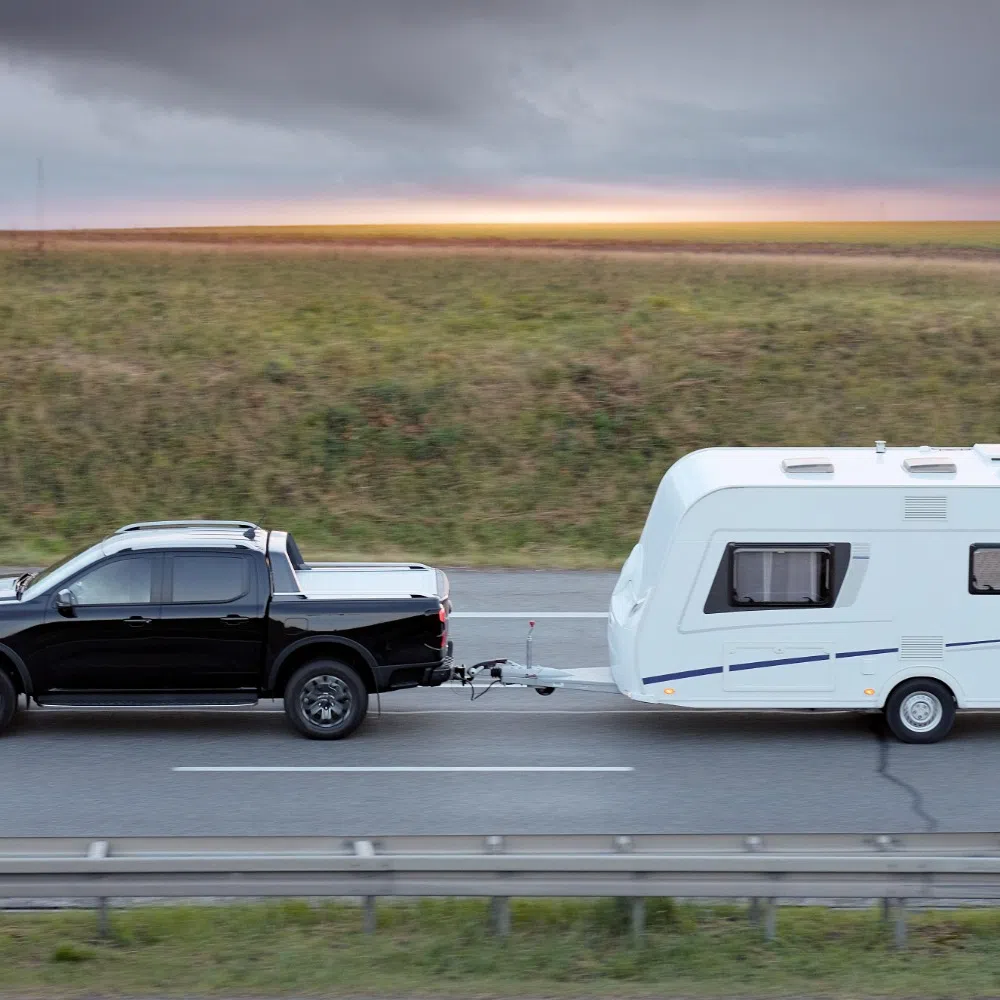
You press the gas, but your truck hesitates. The trailer feels heavier than it should, and hills suddenly look intimidating. If you’ve ever wondered why your truck struggles under heavy loads, you’re not alone.
Most pickup owners assume weight alone causes the problem. The reality is that several systems must work together to move that load smoothly. Let’s break down what’s really happening and what you can do about it.
1. Engine Power Limits
Every truck comes with a maximum towing and payload rating. When you push close to that limit, the engine must work harder to maintain speed and torque. If you exceed it, you’ll feel sluggish acceleration and strained performance.
Heavy loads demand consistent combustion and a strong spark. When ignition weakens, your engine loses efficiency and torque under pressure. That small dip in performance becomes obvious when you tow uphill or merge onto the highway.
2. Transmission Strain
Your transmission controls how power reaches the wheels. If gear ratios don’t match your load demands, the engine revs high but doesn’t deliver smooth acceleration. That mismatch creates heat and unnecessary wear.
When you tow frequently, you need responsive shifting. Slipping gears or delayed engagement often signal fluid issues or internal wear. Ignoring those signs only increases strain when you haul heavy equipment or trailers.
3. Suspension and Weight Distribution
Improper weight distribution changes how your truck handles power. If too much weight sits behind the rear axle, the front tires lose traction. Steering feels light, and acceleration becomes inconsistent.
Weight distribution hitches help level the load. When your truck stays balanced, it transfers power more efficiently to the road. That stability improves both performance and safety.
4. Fuel and Airflow Issues
Your engine needs clean air to produce strong combustion. Dirty filters restrict airflow and reduce power output. Under heavy loads, that restriction becomes noticeable.
Fuel delivery also plays a key role. Injectors must spray evenly and consistently. When they clog, your truck struggles to maintain power during towing.
Signs You Shouldn’t Ignore
- Slower acceleration under load
- Rough idle before towing
- Increased fuel consumption
- Engine knocking or pinging
5. Driving Habits and Maintenance Gaps
Aggressive acceleration, improper gear use, and skipping warm-ups all strain your truck. When you add heavy loads to poor habits, performance drops quickly.
Routine maintenance prevents most towing frustrations. Fresh fluids, proper tire pressure, and tuned ignition systems keep everything working together. You don’t need dramatic upgrades, but you do need consistency.
When you understand the way your truck struggles under heavy loads, you stop guessing and start fixing the right problems. Take a close look at how your truck performs before your next haul. Address small issues early, and you’ll notice smoother acceleration, better control, and less stress on every component.
Image Credit: Mykolayiv, #884217202