

When temperatures drop in Ontario, most of us do whatever it takes to keep our homes warm and draft-free. But while sealing up every nook and cranny locks in the heat, it can also trap things you don’t want hanging around—like radon. You can’t see, smell, or taste this naturally occurring gas, which is why it’s important to test your home for radon in the winter.
How Winter Changes the Air in Your Home
Here’s something you might not know: as the heat rises inside your home during winter, it escapes through the upper floors, creating a bit of suction in basements and crawl spaces. This process, known as the stack effect, can pull radon gas out of the ground and into your living spaces through tiny cracks or gaps you might never notice.
Why Sealing Up Makes Radon Worse
When the cold weather hits, windows and doors stay firmly shut. That keeps the warmth in, but it also stops fresh air from flushing out any radon. Over time, the gas can build up. What might have been a low reading in July could end up much higher by January.
Radon is no small threat; it’s actually the top cause of lung cancer among non-smokers. Since you can’t detect it on your own, testing is the only way to know you’re safe. Skipping that step could mean overlooking a real risk to your indoor air quality.
What Radon Testing Tells You
Testing for radon isn’t complicated, and it gives you some real peace of mind. There are quick test kits for short-term checks, but if you want the full picture, try a long-term test that runs for several months. For homeowners in colder climates during the winter, understanding radon levels in your home is critical, especially when they exceed the recommended action level. If your results point to higher-than-acceptable levels, you’ll know it’s time to take action.
Keep these tips in mind to reduce the risk:
- Test your home for radon at regular intervals.
- Repeat testing after major renovations or airflow changes.
- Seal up foundation cracks and gaps in floors.
With winter settling in, now’s the moment to look out for your indoor air and, in turn, your health. Knowing why it’s important to test your home for radon in the winter is one thing, but following through helps keep your family breathing easy the whole season.
Image Credit: smallredgirl, 239263962
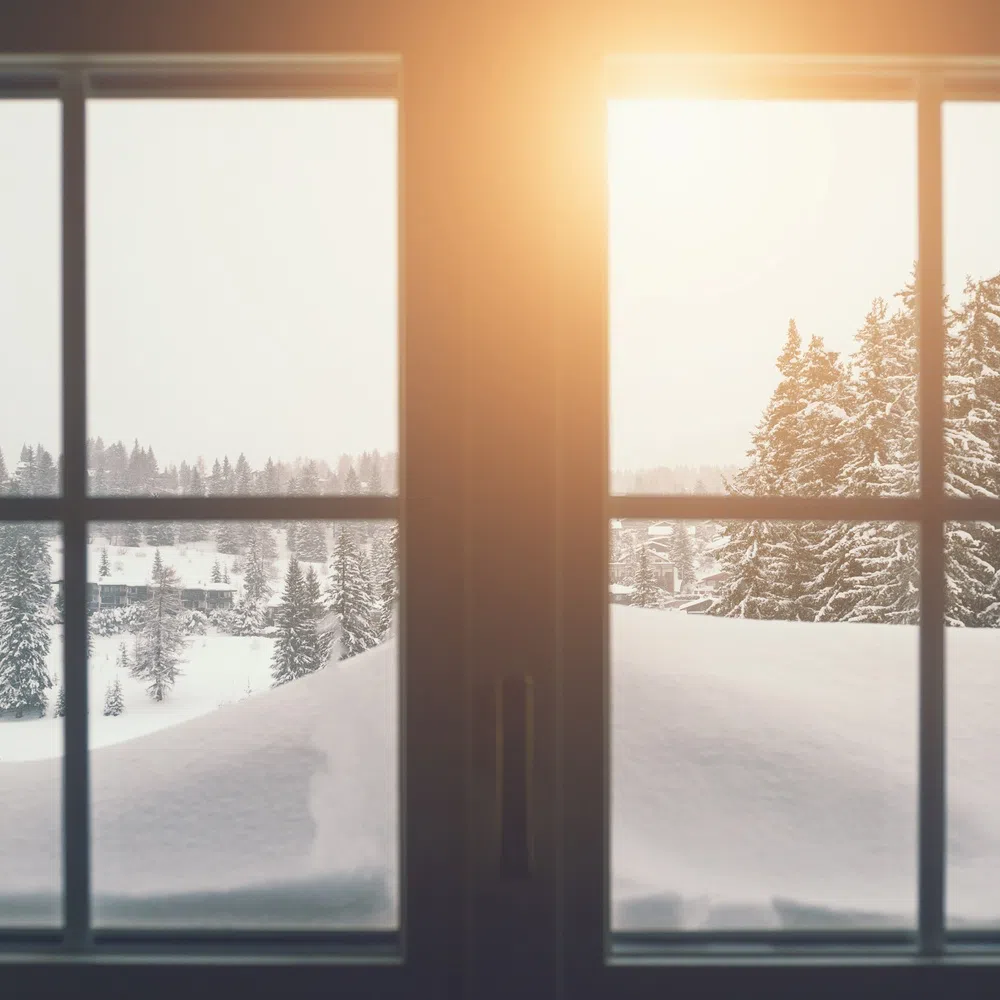
Image Description: A snowy winter scene viewed through a window, shows a sunlit forest, snow-covered houses, and deep, untouched snow.