


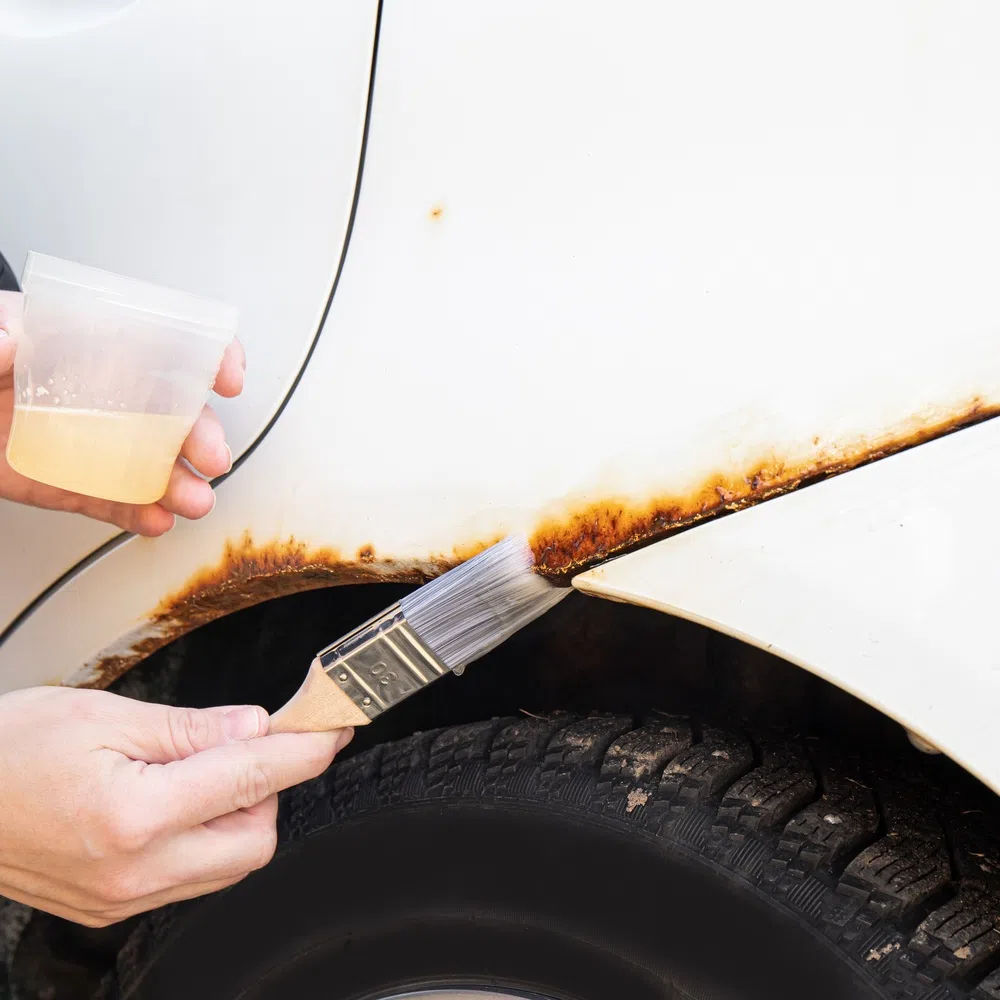
Rust is the silent enemy of any vehicle owner, quietly deteriorating the body and structural integrity of your car if left unchecked. Whether caused by exposure to moisture, road salt, or minor damage to the paint, rust can spread quickly, creating both aesthetic issues and costly repairs. Fortunately, with the right knowledge, tools, and preventative measures, you can effectively remove rust and protect your vehicle for the long haul.
What Causes Rust on Vehicles?
Rust, or oxidation, occurs when iron reacts with oxygen and moisture, resulting in corrosion. Vehicles, made predominantly of steel and iron, are particularly susceptible to rust when exposed to water, salt, and untreated scratches.
Factors like climate, road salting during winter, and improper car maintenance exacerbate the conditions that lead to rust formation. These elements work their way into bare metal surfaces, causing everything from surface-level stains to deep structural damage over time.
Steps to Remove Rust
The process of rust removal varies depending on the severity of the corrosion. Small rust spots can often be addressed with DIY methods, while larger areas may require professional intervention. Start by thoroughly cleaning the affected area to remove dirt, grime, and any loose rust particles.
Sand the rusted surface lightly to expose clean metal, gradually working your way toward deeper corrosion using abrasive tools or sandpaper. Once sanded, apply a rust converter or primer to seal the area, preventing further reaction with moisture. Finish by repainting the surface, matching your vehicle’s color as closely as possible.
For extensive rust damage, professional repairs might be the best option, as deeper corrosion may indicate compromised structural integrity. Consulting an expert ensures that both the aesthetic and safety aspects of your vehicle are restored effectively.
Tools to Help Remove Rust
Having the right tools can make all the difference when tackling rust removal projects. Sandpaper, wire brushes, and sanding blocks are handy for smaller rust spots, while electric tools like power sanders and rotary tools equipped with abrasive attachments are ideal for larger repairs. Just ensure that you have the right amount of sandpaper grit for the job. It’s a fine line between having sandpaper that’s too rough or too smooth, so know exactly what you need to get the job done right the first time.
Rust converters and primers are essential for stopping the corrosion process, while body fillers help tackle pitting after sanding. Investing in spray primers and automotive-grade paint ensures a smooth finish. Remember to wear safety goggles, gloves, and a mask to protect yourself during the removal process.
Preventing Future Rust Damage
Prevention is easier and less costly than repair, making regular maintenance a key step in rust protection. Start by washing your vehicle frequently, especially during winter months or after trips to coastal areas, to remove road salt and moisture. Applying a wax coating creates a protective barrier, while rustproofing products or undercoatings shield vulnerable areas like wheel wells and the undercarriage.
Address paint chips or scratches quickly, sealing exposed metal before rust can set in. By staying vigilant and addressing problem areas early, you can keep rust at bay and extend the life of your vehicle.
Protect Your Vehicle
Rust may be a persistent problem for vehicle owners, but with the right techniques and tools, it doesn’t have to mean the end for your car. By understanding what you need to know about removing rust from your vehicle and addressing the issues promptly, you can protect your vehicle’s value and keep it looking and performing its best for years to come.
Image Credentials: by FotoHelin, 584304208